
Navigating Technology Education in Early Childhood
As technology continues to shape how people work, communicate, and solve problems, interest in early technology education has grown steadily. Robotics, in particular, has attracted attention from parents and educators who see it as a way to introduce children to logical thinking, creativity, and problem-solving from a young age. At the same time, questions remain about whether teaching robotics early is appropriate, effective, or potentially overwhelming.
Children develop at different paces, and educational approaches must reflect cognitive, emotional, and social readiness. While exposure to technology can be beneficial, it also requires thoughtful balance to ensure learning remains supportive rather than pressured. Understanding how robotics fits into early learning environments helps families make informed decisions.
This article explores whether early robotics education is suitable for children by examining its benefits, potential risks, and best practices. By focusing on age-appropriate learning and responsible guidance, it provides a balanced perspective for families navigating technology-focused education.
How Robotics Supports Early Learning Development
Robotics education can support early learning by introducing children to foundational concepts such as sequencing, cause-and-effect relationships, and basic problem-solving. Through hands-on activities, children learn how actions produce outcomes, reinforcing logical thinking without relying solely on abstract instruction.
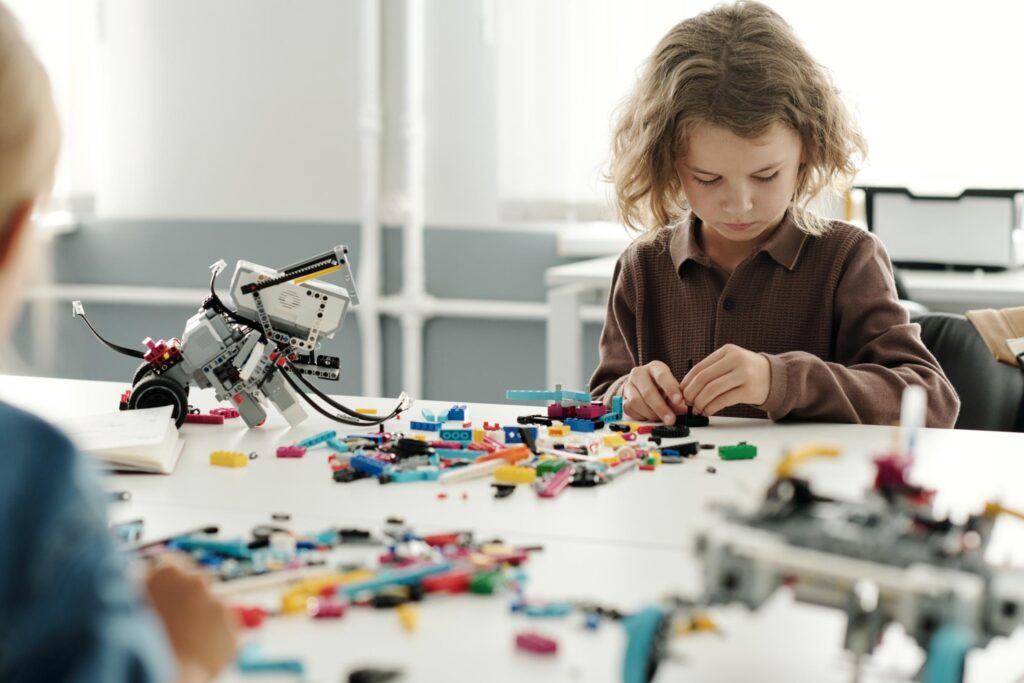
Interactive robotics tools often incorporate play-based learning, which aligns well with early childhood development. Building, assembling, and experimenting with simple robotic components encourage creativity and curiosity. These activities also support fine motor skills and spatial awareness as children manipulate parts and follow simple instructions.
When introduced thoughtfully, robotics can complement traditional learning rather than replace it. It becomes one of many tools that support exploration and discovery. The key lies in using robotics as a means to enhance learning experiences rather than positioning it as a measure of achievement or advancement.
Cognitive and Social Benefits of Early Robotics Exposure
Early exposure to robotics can support cognitive growth by encouraging analytical thinking and persistence. Children learn that challenges can be approached step by step, fostering patience and resilience. Solving simple problems builds confidence and reinforces a growth-oriented mindset.
Social development may also benefit when robotics activities involve collaboration. Group-based projects encourage communication, cooperation, and shared problem-solving. Children learn to express ideas, listen to others, and work toward common goals. These interactions support interpersonal skills alongside technical learning.
Through early robotics education for children, learning environments can promote both independent exploration and teamwork. When guided appropriately, robotics activities become opportunities for social connection and shared learning experiences that extend beyond technical skills alone.
Potential Risks and Common Concerns
Despite its benefits, early robotics education raises valid concerns. One common issue involves excessive screen time or overreliance on structured technology activities. Young children benefit from diverse learning experiences, including physical play, social interaction, and creative expression.
Another concern relates to pressure and expectations. Introducing robotics too rigidly may lead children to associate learning with performance rather than enjoyment. This can reduce motivation and create stress, particularly if activities are not age-appropriate or aligned with individual interests.
There is also the risk of narrowing learning too early. While robotics can be valuable, it should not limit exposure to other subjects or experiences. Balanced education encourages flexibility, creativity, and emotional development. Awareness of these risks helps families approach robotics education thoughtfully and responsibly.
Choosing Age-Appropriate Robotics Tools and Programs
Selecting suitable robotics tools is essential for positive learning outcomes. Age-appropriate programs focus on simplicity, exploration, and play rather than technical complexity. Tools designed for younger children often use visual cues, physical components, and storytelling elements to support engagement.
Parents and educators benefit from evaluating whether a program encourages creativity rather than rigid instruction. Open-ended activities allow children to experiment and learn through trial and error. This approach supports natural curiosity and reduces frustration.
Supervision and guidance remain important. Adults play a key role in framing robotics as a shared learning experience rather than a test of ability. Thoughtful tool selection ensures that robotics education aligns with developmental needs and supports healthy learning environments.
Best Practices for Introducing Robotics at Home and School
Best practices for early robotics education emphasize balance and flexibility. Robotics activities should be integrated gradually, allowing children to explore at their own pace. Short, engaging sessions often prove more effective than prolonged instruction.
Combining robotics with offline activities supports holistic development. Physical play, creative arts, and social interaction remain essential components of childhood learning. Robotics should complement these experiences rather than dominate them.
Open communication also plays a role. Encouraging children to ask questions and express feelings about activities helps adults adjust approaches as needed. For families and educators relying on a global learning resource, balanced integration consistently emerges as a guiding principle in early technology education.
Long-Term Perspective on Technology Learning
Teaching robotics early does not determine a child’s future career path. Instead, it introduces ways of thinking that can support learning across disciplines. Skills such as problem-solving, collaboration, and adaptability apply broadly and remain valuable regardless of future interests.
Long-term benefits depend on maintaining positive learning associations. When robotics is introduced as a creative, enjoyable activity, children are more likely to retain curiosity and confidence. This foundation supports continued learning without pressure.
Viewing robotics as part of a broader educational journey encourages sustainable engagement. Families who focus on curiosity rather than outcomes create environments where technology learning remains empowering and supportive.
Conclusion
Teaching children robotics at an early age can offer meaningful benefits when approached thoughtfully and responsibly. Robotics activities support cognitive development, creativity, and collaboration while introducing foundational problem-solving concepts. However, awareness of potential risks such as over-structuring and excessive focus on technology remains essential. Choosing age-appropriate tools, maintaining balance with offline experiences, and fostering enjoyment over performance help ensure positive outcomes. Early robotics education works best as part of a diverse learning environment that values emotional, social, and creative growth. For readers exploring education topics through a global learning resource, responsible integration of robotics highlights the importance of flexibility and child-centered learning. When guided with care, early exposure to robotics can support curiosity and confidence without compromising healthy development.