
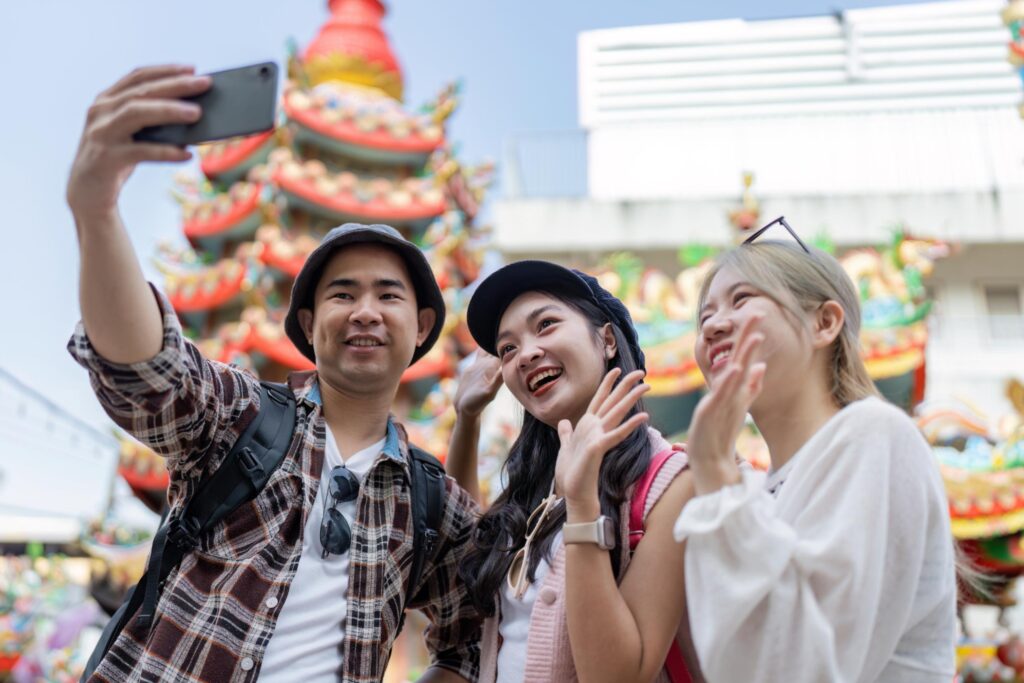
Exploring Culture Through Celebration
Festivals offer one of the most meaningful ways to experience culture while traveling. Across continents, communities celebrate history, beliefs, seasons, and shared identity through events that bring people together. These gatherings go beyond entertainment, reflecting values, traditions, and stories passed down through generations. For travelers, festivals provide insight into local life that cannot be replicated through landmarks alone.
From ancient rituals to contemporary celebrations, festivals highlight how societies express joy, gratitude, remembrance, and creativity. Music, dance, food, and ceremony transform public spaces into living cultural showcases. While each celebration is rooted in local context, many themes—renewal, unity, and expression—resonate universally.
This article explores notable festivals across different continents, offering an overview of cultural highlights that attract visitors and honor heritage. By understanding the significance behind these celebrations, travelers gain deeper appreciation for the communities they visit and the traditions that shape them.
Europe: Tradition, History, and Community Expression
European festivals often reflect deep historical roots combined with strong community participation. Many celebrations trace their origins back centuries, blending religious observances, seasonal cycles, and regional identity. These events continue to thrive as important cultural touchstones.
In Spain, La Tomatina transforms the town of Buñol into a vibrant spectacle each year, drawing participants from around the world. What began as a local tradition has grown into a globally recognized celebration emphasizing shared experience and spontaneity. In Germany, Oktoberfest represents another iconic event, combining regional customs with social gathering through music, food, and traditional dress.
European festivals frequently balance preservation with evolution. While traditions remain central, modern interpretations allow communities to adapt celebrations for contemporary audiences. For travelers, attending these festivals offers insight into how history continues to shape present-day cultural life across Europe.
Asia: Spirituality, Heritage, and Seasonal Renewal
Asian festivals often carry strong spiritual and philosophical significance. Many are linked to religious calendars, agricultural cycles, or historical milestones, emphasizing harmony, gratitude, and renewal. These celebrations reflect deep connections between community life and belief systems.
In India, Diwali marks the festival of lights, symbolizing victory of light over darkness. Families gather to decorate homes, exchange gifts, and observe rituals rooted in centuries-old traditions. In Japan, Hanami celebrates the blooming of cherry blossoms, encouraging reflection on nature and impermanence through communal gatherings.
These festivals highlight how Asian cultures integrate celebration with mindfulness and respect for tradition. Visitors who participate respectfully gain meaningful exposure to customs that emphasize balance and continuity. Such events illustrate how festivals serve as both social and spiritual anchors across the continent.
Africa: Rhythm, Identity, and Collective Heritage
African festivals often center on music, dance, storytelling, and communal identity. These celebrations preserve cultural heritage while reinforcing social bonds. Many festivals highlight historical narratives, ancestral traditions, and artistic expression.
In Ghana, the Homowo Festival commemorates resilience and survival, marked by drumming, dancing, and symbolic rituals. In Morocco, the Festival of World Sacred Music in Fez brings together performers from diverse traditions, emphasizing unity through shared artistic expression.
African festivals frequently emphasize participation over observation. Visitors are often welcomed into celebrations that prioritize collective experience. For travelers seeking authentic engagement, these events provide opportunities to connect with living traditions that continue to shape community identity across regions.
North America: Cultural Diversity and Modern Expression
Festivals in North America reflect cultural diversity shaped by indigenous heritage, migration, and contemporary influences. Celebrations often blend historical significance with modern creativity, creating dynamic cultural events.
In the United States, Mardi Gras in New Orleans stands as a prominent example, combining French, African, and local traditions through parades, music, and costume. In Canada, the Calgary Stampede highlights regional heritage through rodeo events, exhibitions, and community gatherings.
North American festivals frequently evolve alongside changing cultural landscapes. They serve as platforms for expression, inclusion, and innovation. Travelers attending these events witness how diverse influences come together to create unique celebrations reflective of modern societies.
South America: Color, Music, and Cultural Pride
South American festivals are known for vibrant visuals, energetic music, and strong cultural pride. Many celebrations connect indigenous traditions with colonial history, resulting in rich cultural expressions.
Brazil’s Carnival stands as one of the world’s most recognized festivals, showcasing elaborate costumes, rhythmic music, and large-scale parades. Beyond spectacle, it represents social commentary, artistic collaboration, and community participation. In Peru, Inti Raymi honors Incan heritage through reenactments celebrating the sun and agricultural cycles.
These festivals emphasize storytelling through movement and sound. For travelers, they offer immersive experiences that reflect resilience, creativity, and historical continuity. South American celebrations invite participation while honoring deep-rooted traditions.
Oceania: Nature, Ancestry, and Cultural Continuity
Festivals in Oceania often emphasize connection to land, ancestry, and community. Indigenous traditions play a central role, highlighting respect for nature and cultural continuity.
In New Zealand, Matariki marks the Māori New Year, celebrating renewal, remembrance, and community reflection. Events focus on storytelling, music, and honoring ancestors. In Australia, various indigenous festivals showcase art, dance, and cultural education, fostering understanding and respect.
These celebrations emphasize cultural preservation and education. Travelers who engage with Oceania’s festivals gain insight into indigenous worldviews and the importance of heritage in contemporary society. Respectful participation supports cultural appreciation and shared learning.
Why Festivals Matter for Cultural Travel
Festivals create opportunities for meaningful travel experiences that extend beyond sightseeing. They provide context for understanding values, history, and social structures within communities. Participating in global cultural festival experiences allows travelers to witness traditions in action rather than as static displays.
Cultural celebrations also support local economies and cultural preservation. Tourism connected to festivals encourages communities to sustain traditions while sharing them with wider audiences. Responsible travel practices help ensure these events remain authentic and respected.
For readers following travel narratives through a worldwide storytelling platform, festivals represent living expressions of culture. They offer pathways to connection, learning, and shared celebration across borders.
Conclusion
Festivals around the world serve as powerful reflections of cultural identity, history, and shared human experience. From spiritual observances in Asia to vibrant celebrations in South America and community-driven events in Africa, each continent offers unique cultural highlights that enrich travel experiences. Understanding the significance behind these celebrations allows travelers to engage more respectfully and meaningfully with local communities. Festivals reveal how societies honor tradition while embracing change, offering insights that extend beyond visual spectacle. For those exploring global culture through a worldwide storytelling platform, festivals stand as reminders that travel is not only about destinations but about people, stories, and shared moments. By approaching these celebrations with curiosity and respect, travelers gain deeper appreciation for the diverse ways cultures express identity and continuity.