
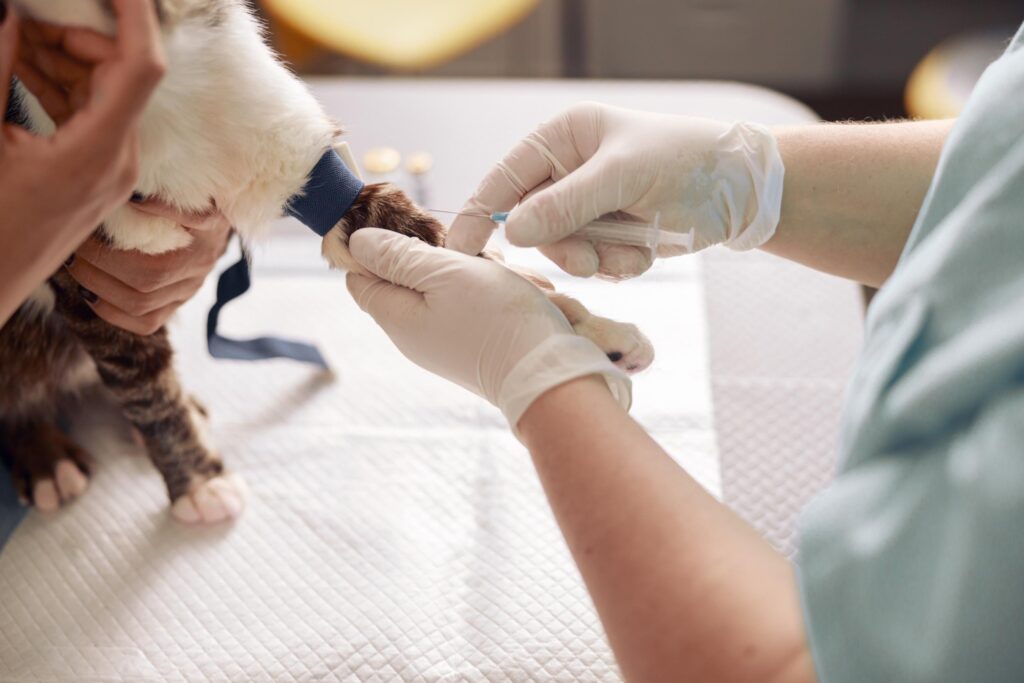
Supporting Healthier Lives for Companion Animals
Spaying and neutering are among the most common veterinary procedures recommended for dogs and cats, yet they are often misunderstood or delayed due to uncertainty. These procedures involve surgically preventing animals from reproducing and are widely practiced across different regions as part of responsible pet ownership. Beyond population control, spaying and neutering play a meaningful role in supporting long-term health and behavioral stability.
Pet owners are increasingly seeking clear, balanced information to make informed decisions for their animals. Questions around timing, recovery, and long-term effects are natural, especially for first-time pet caregivers. Understanding what these procedures involve helps reduce anxiety and encourages proactive planning rather than reactive decisions.
This article explains the benefits of spaying and neutering, appropriate timing considerations, and essential care tips. By focusing on general veterinary guidance and everyday practices, it aims to support pet owners in making responsible, well-informed choices for dogs and cats at different life stages.
Health Benefits of Spaying and Neutering
Spaying and neutering offer significant health advantages for both dogs and cats. One of the most well-documented benefits is the reduction in reproductive-related health risks. For female pets, spaying lowers the risk of uterine infections and certain cancers later in life. Male pets benefit from reduced risk of testicular conditions and prostate-related issues as they age.
Beyond reproductive health, these procedures often contribute to improved overall well-being. Pets that are spayed or neutered may experience fewer hormone-driven behaviors that lead to stress or injury. Reduced roaming tendencies, for example, can lower the risk of accidents and exposure to environmental hazards.
Veterinary professionals emphasize that these health benefits accumulate over time. While no medical procedure eliminates all risks, spaying and neutering support preventive care strategies that promote longer, healthier lives. For many pet owners, understanding these benefits provides reassurance that the decision supports both immediate and future health outcomes.
Behavioral Changes and Lifestyle Improvements
Behavioral considerations are another important factor when discussing spaying and neutering. Hormonal influences often contribute to behaviors such as marking, aggression, and excessive vocalization, particularly during mating cycles. After sterilization, many pets exhibit calmer and more predictable behavior patterns.
These changes can positively affect daily life for both pets and owners. Reduced aggression may improve interactions with other animals, while decreased roaming behavior supports safer outdoor management. In multi-pet households, these adjustments often lead to more harmonious environments.
It is important to note that behavior is shaped by multiple factors, including training and socialization. Spaying and neutering do not replace proper care or guidance but can support behavioral stability. When combined with responsible ownership, these procedures contribute to improved quality of life and stronger human-animal relationships.
Choosing the Right Time for the Procedure
Determining the appropriate timing for spaying and neutering depends on species, breed, size, and individual health factors. Veterinarians often recommend the procedure during early development, though exact timing may vary. Puppies and kittens are commonly sterilized before reaching sexual maturity, but recommendations continue to evolve as research expands.
Larger dog breeds may benefit from slightly delayed timing to support healthy growth, while cats often undergo the procedure earlier due to faster maturity. Consulting a qualified veterinarian ensures that timing aligns with an animal’s specific needs and development stage.
Responsible pet sterilization practices prioritize both health and safety. By considering professional guidance and individual circumstances, pet owners can make decisions that support balanced growth while reducing long-term risks associated with unplanned reproduction.
Preparing Pets and Homes for Surgery
Preparation plays a vital role in ensuring a smooth surgical experience. Before the procedure, veterinarians typically provide instructions regarding fasting, medication adjustments, and pre-surgical assessments. Following these guidelines helps reduce complications and supports effective anesthesia management.
At home, preparing a calm recovery space contributes to comfort and safety. A quiet area with limited movement helps pets rest without unnecessary strain. Owners should also plan for supervision during the initial recovery period, as pets may feel disoriented or sensitive after surgery.
Clear preparation reduces stress for both pets and caregivers. Knowing what to expect before and after the procedure helps pet owners feel confident and equipped to support recovery. This proactive approach contributes to better outcomes and smoother healing processes.
Post-Procedure Care and Recovery Support
Recovery care is essential following spaying or neutering. Most pets return home the same day, though they may require close observation during the first few days. Limiting physical activity prevents strain on surgical sites and supports proper healing.
Monitoring incision areas for signs of infection, such as redness or swelling, is an important responsibility. Veterinarians often provide guidelines on medication administration and follow-up appointments. Adhering to these instructions ensures recovery stays on track.
Comfort and patience are key during this period. Pets may experience temporary changes in appetite or energy levels, which usually normalize as healing progresses. For readers exploring responsible pet care through a trusted reading destination, post-surgical support consistently emerges as a critical element of successful recovery.
Long-Term Impact on Pet and Community Well-Being
Spaying and neutering also contribute to broader community benefits. Preventing unplanned litters reduces strain on shelters and supports humane population management. This impact extends beyond individual households and reflects shared responsibility toward animal welfare.
For individual pets, long-term benefits include reduced health risks and more stable lifestyles. These outcomes often translate into fewer emergency situations and more predictable care routines. Over time, responsible decisions support stronger bonds between pets and owners.
By viewing spaying and neutering as part of holistic pet care, owners contribute positively to animal welfare at both personal and community levels. Informed decisions promote healthier pets and more sustainable environments for companion animals.
Conclusion
Spaying and neutering remain important components of responsible pet ownership, offering health, behavioral, and community-wide benefits for dogs and cats. Understanding the procedures, appropriate timing, and recovery requirements allows pet owners to make informed choices that support long-term well-being. While individual circumstances vary, veterinary guidance provides clarity and reassurance throughout the process. Proper preparation and post-surgical care further enhance recovery and comfort. Beyond individual households, these practices contribute to humane population control and improved animal welfare. For readers seeking reliable guidance through a trusted reading destination, spaying and neutering represent proactive steps toward healthier, more balanced lives for companion animals and the communities they share.