
Why Players Can’t Stop Watching This Action RPG
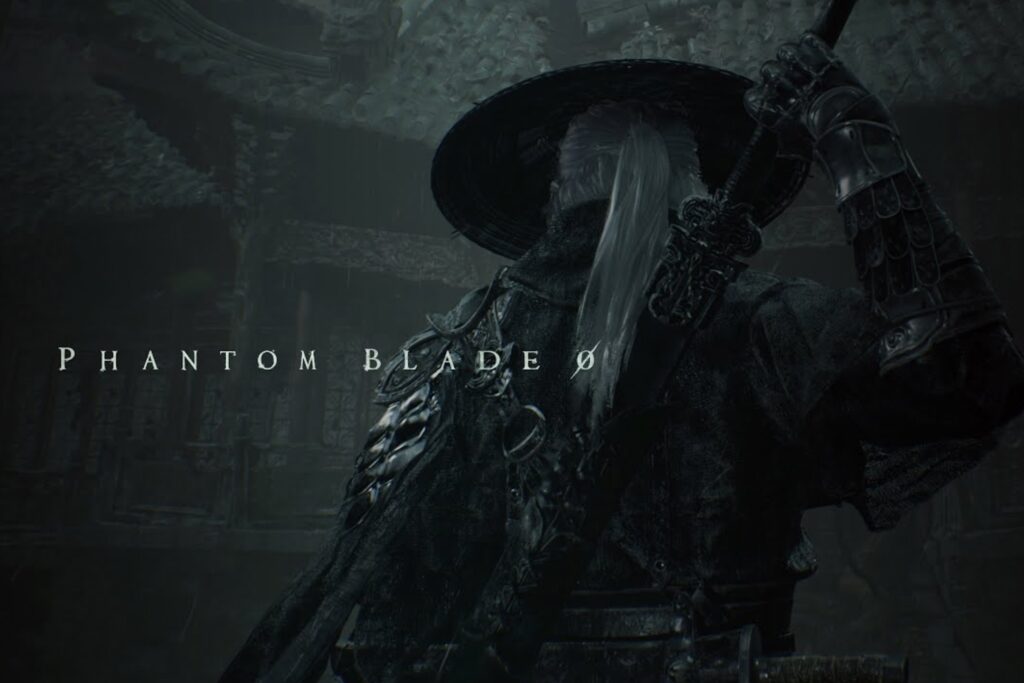
Phantom Blade Zero has become one of the most discussed upcoming action RPGs, and the excitement is not built on vague hype. Players are responding to a mix of fast combat, cinematic presentation, and a wuxia-inspired identity that stands apart from typical fantasy releases. The game has also benefited from a steady stream of public impressions and official material that gives fans enough substance to debate what matters most: movement, responsiveness, weapon feel, and encounter design.
What makes the attention especially interesting is how broad it is. Some players focus on choreography and weapon variety, others on tone and worldbuilding, and many on the promise of a combat system that rewards timing and rhythm. Discussions have also expanded into the wider trend of large-scale Chinese-developed games attracting global audiences, with players comparing how different studios approach action design and atmosphere.
This article breaks down the trends people are tracking, the community’s most common talking points, and practical strategy tips players can apply once they step into the game.
The Combat Loop: Speed, Timing, and Stylish Control
Phantom Blade Zero is being watched so closely because it appears built around a clear combat identity: fast, deliberate, and performance-driven. Movement looks designed to flow—closing distance, slipping past attacks, and chaining strikes in ways that feel choreographed rather than random. That kind of design attracts players who enjoy mastery, because the skill ceiling tends to be defined by consistency and timing rather than raw numbers.
A system like this usually rewards “clean aggression.” Instead of constantly swinging, players gain more from choosing safe commitments, reading enemy tells, and keeping tempo under control. When a game pushes speed, it also pushes decision-making: when to press, when to disengage, and when to take a smaller punish rather than forcing a longer combo that risks getting clipped.
Weapon choice also seems positioned as more than preference. Different weapons often change reach, recovery time, and combo routes, which means playstyle can vary dramatically from one setup to another. For players preparing mentally, the most useful mindset is to treat combat like rhythm: protect spacing, learn timing windows, and build a reliable loop before chasing flash.
What the Community Is Talking About Right Now
The community conversation around Phantom Blade Zero tends to revolve around three core themes: combat feel, identity, and expectations. Players debate whether the game leans more toward pure action or action-RPG progression, and that distinction matters because it shapes what they expect from difficulty, pacing, and character growth. Some viewers look for a demanding mastery curve, while others hope for stylish action that stays approachable.
Build speculation also drives a lot of discussion, but it is often cautious. Fans are not only asking “what is strongest,” but also “what feels best” in a system that seems timing-heavy. That is a good sign, because it suggests the audience is paying attention to mechanics rather than simply chasing meta. Short clips circulating online often highlight micro-lessons—how spacing creates safety, how small punish windows can be repeated, and how composure beats panic even in fast fights.
Community energy is also fueled by anticipation cycles: new footage triggers theorycrafting, which triggers guide-style discussion, which invites new viewers into the conversation. This creates a feedback loop where interest stays active even between official updates. For new readers, the community chatter is useful when it focuses on habits and fundamentals, not only on predictions.
Phantom Blade Zero Gameplay Dynamics and What Skilled Players Will Prioritize
In fast action games, the difference between “looks flashy” and “feels satisfying” often comes down to how the system handles control, recovery, and punishment. That is where Phantom Blade Zero gameplay dynamics become a practical lens for preparation. Skilled players will likely prioritize spacing, timing discipline, and consistency over complicated setups that only work under perfect conditions.
Spacing is usually the hidden foundation of high-level play. When a player controls distance, defense becomes cleaner because dodges are chosen, not spammed. That also improves offense: a player can step into range when an enemy finishes a sequence, punish safely, and reset before greed creates risk. If the game supports that flow, it will reward players who think one step ahead instead of reacting late.
Timing discipline matters just as much. Many players try to win through long strings early, but real improvement often comes from simplifying: short, reliable combos that maintain safety and repeatability. Once that foundation is stable, longer routes become easier because the player is not scrambling. The best advice for anyone preparing is to practice restraint: aim for consistency first, then expand. In a system that rewards rhythm, controlled play usually looks more stylish than forced play.
Strategy Tips That Actually Help Once the Game Gets Fast
Generic advice rarely helps in action games, so the most useful tips tend to be habit-based. A strong starting approach is to build a repeatable loop: recognize a tell, defend cleanly, punish once, reposition, then repeat. This reduces chaos and makes it easier to learn new enemies without feeling overwhelmed. If the game includes bosses with rapid mix-ups, that loop becomes even more valuable because it anchors decision-making.
Another habit that improves performance is “one priority at a time.” When pressure rises, players often try to dodge, counter, and extend combos simultaneously, which increases mistakes. A calmer method is to prioritize survival first. After a clean dodge, take a simple punish. Over time, that punish naturally becomes longer as confidence grows. This approach also supports learning, because the player can observe more patterns instead of rushing through animations.
Equipment and progression choices matter too, but players should avoid chasing perfect optimization early. In many action-RPG systems, the best early performance comes from investing in what feels controllable: a weapon with reliable reach and recovery, and abilities that support consistent punish windows. When fights are fast, reliability beats theorycrafting. Players who build around comfort usually improve faster and enjoy the experience more.
Updates, Meta Shifts, and Staying Ready Without Overthinking
Modern games evolve through patches, balance adjustments, and content updates, and community “meta” can change quickly as players learn more. That makes it important to stay informed without becoming locked into assumptions. A healthy approach is to watch for patterns: which mechanics keep appearing in footage, which playstyles remain effective across different encounters, and which strategies are consistently recommended by skilled players rather than repeated because they are trendy.
Players also benefit from tracking discussions that focus on fundamentals instead of hype. When communities talk about timing windows, recovery frames, and spacing control, the information tends to age well. When conversations revolve around “best build” claims without context, those predictions often collapse the moment new content appears. The most durable knowledge in action games is usually mechanical, not fashionable.
For readers following the broader gaming conversation through interactive entertainment exploration, Phantom Blade Zero also represents a bigger trend: action titles gaining momentum through watchable combat and shared learning culture. The community does not just consume the game—it studies it. That creates long-term engagement because players feel rewarded not only for winning, but for improving. The best preparation is to keep a flexible mindset, learn the basics deeply, and let the meta evolve around the player rather than controlling the player.
Why This Game Matters for the Action Genre Right Now
Phantom Blade Zero is being watched as more than a single release. It fits into a wider moment where global audiences are paying closer attention to major action games coming from new studios and regions. That shift affects expectations. Players compare animation fidelity, combat readability, and identity more aggressively now because the field is crowded with visually impressive titles. Standing out requires more than graphics—it requires a feel that holds up under hands-on play.
If Phantom Blade Zero delivers on its combat promise, it may influence what players demand from action design: sharper weapon identity, cleaner animation tells, and systems where mastery feels earned rather than dependent on grinding. That also benefits the genre overall, because competition encourages refinement. When players expect better movement and better responsiveness, developers are pushed to raise the bar.
For the community, the appeal is also cultural. Games like this become social objects—shared clips, shared builds, shared challenges. That turns individual play into collective discovery. Whether a player is casual or highly competitive, the experience becomes richer when learning is part of the fun. If the game succeeds, it will not only entertain; it will contribute to how action audiences talk about skill, style, and progression in the coming years.
Conclusion
Phantom Blade Zero is drawing attention because it promises action combat that looks fast but feels learnable, stylish without being shallow, and challenging without relying on confusion. The ongoing buzz is driven by practical questions: how weapon choice changes rhythm, how enemies reward timing discipline, and how players can improve consistently rather than chasing temporary trends. The smartest approach is to focus on fundamentals—spacing, composure, and repeatable punish patterns—because those habits translate across bosses, builds, and future updates. As the game’s community continues to grow, discussions and shared clips will likely shape how newcomers learn and how experienced players refine performance. For readers interested in interactive entertainment exploration, Phantom Blade Zero is also a sign of where modern action games are heading: toward clearer identity, higher mechanical expectations, and a culture where improvement becomes part of the entertainment itself.